
bullbet / live casino

Table reading, session pace, and what to observe before joining in

At bullbet, live casino appears as a topic of practical observation: streamed table, visible rules, round environment, and signals that help you read the experience without rushing. The idea is simple. Look at what is on the screen, understand the format, and move forward with more context.

Visual reading Observe the table, interface, and signals that are exposed before any decision.
Round context Compare the table format with what you want to follow at that moment.
Editorial criterion No promise. No shortcut. Just useful information for responsible reading.
Bullbet live casino - main banner
Opening image Featured reading for those who want to recognize the environment before moving on to the table.
Quick question: what matters more to you today — understanding the table format, checking the conditions shown, or just finding a session that makes sense for your time?

What goes into live casino reading

When it comes to live casino, the point is not to rush to the most eye-catching table. The point is to understand what is being broadcast, how the table is presented, and what information appears in the environment itself. On pages like this, bullbet treats the topic as editorial reading: without exaggeration, without promises, and without noise.

Before taking any step, it is worth separating three layers. The first is the table image. The second is the text that accompanies the broadcast. The third is the behavior of the interface, because that is where the most useful signals for comparing formats appear. If a table demands more visual attention, it also demands more calm in reading.

This kind of analysis helps answer simple questions. Is the table clear? Is the format explicit? Is there enough information to recognize the pace of the session? They are short questions, but they make a difference when the goal is to navigate with context.

Practical layers to observe

In live casino reading, it helps to first observe what is fixed and what changes during the session. The table framing, the position of the elements, and the way the data appears create a visual base that guides attention. When that base is clean, it becomes easier to notice what really matters. When it is cluttered, the user needs to filter more signals at the same time. That is why the analysis starts before the action: it goes through the organization of the space, the clarity of the labels, and the way the broadcast separates each stage of the game.

Another useful point is understanding the role of the text that accompanies the table. In many cases, it does not serve only as a complement, but as support for identifying the type of round, the state of the interface, and possible variations in the environment. Reading this text calmly avoids rushed interpretations. It is also worth noting whether the language is direct or whether it requires more familiarity with the format. In live casino, small wording differences can change the overall reading, especially when the screen presents several elements at the same time.

Visual interaction also deserves attention, because it shows how the table responds to the user and how each block is presented in practice. It is not just about seeing cards, roulette, or chips, but about noticing the layout of the controls, the separation between areas, and the consistency of the information displayed. When the interface is predictable, the experience tends to be easier to follow. When everything competes for attention, the reading becomes less fluid and requires more comparison between elements.

In an editorial evaluation, it makes sense to observe the pace of the broadcast without rushing. Live casino has its own timing, and that timing influences how a person interprets what they see. Fast changes, short pauses, and transitions between moments at the table call for careful reading, because what appears on the screen is not always explained immediately. That is why looking at a session as a sequence helps more than focusing on a single isolated moment. The context of the round usually clarifies details that, on their own, seem minor.

It is also important to separate appearance from function. A table may look familiar, but present information in a different order, with emphasis on different areas or with varying levels of textual support. This difference changes the way it is read and can affect understanding of the environment. At bullbet, the editorial focus is precisely this: observing how live casino organizes signals, not how it tries to impress. The reading becomes more useful when the user identifies what is structure and what is only presentation.

Finally, it is worth keeping a checking mindset. Before moving on to any table, the ideal is to review whether the broadcast clearly shows what needs to be seen, whether the interface helps with orientation, and whether the whole makes sense for someone who wants to understand the format. This simple check avoids choices made only on appearance. In live casino, observing methodically is more efficient than reacting to the first visual highlight. The reading improves when each part of the screen is understood as information, not as an isolated stimulus.


Reading in short steps

  1. Identify the format. See whether the table broadcasts a game you already recognize or whether it requires more attention on first reading.
  2. Observe the framing. A cropped image, cramped text, or too many elements on the screen usually call for an extra pause.
  3. Confirm what is visible. Rules, names, and table states should be read from what appears, not from what is imagined.
  4. Compare before entering. If there is more than one option, choose the one that best matches your current reading.

Comparison chart: quick look or careful reading

Quick reading Careful reading What changes in practice
Starts from the table’s appearance. Starts from the information displayed. Helps reduce choices made on impulse.
Focuses on what catches attention first. Compares name, rules, and framing. Makes the context clearer before moving on.
Looks at only one option. Analyzes alternatives side by side. Makes it easier to see which session fits the moment.
Moves ahead without checking details. Checks what is visible on the screen. Improves the consistency of editorial reading.

Two ways to look at the same table

A. Context Entry

Read first, click later

  • You look at the table and understand the type of broadcast.
  • You read the text that accompanies the setting.
  • You compare the presentation with the time available.
  • You decide based on what was shown.
B. Impulse Entry

Appearance first, doubt later

  • The screen grabs attention before the full read.
  • The format goes by without enough checking.
  • The conditions are left for later.
  • Understanding comes late.

Images arranged with editorial reading

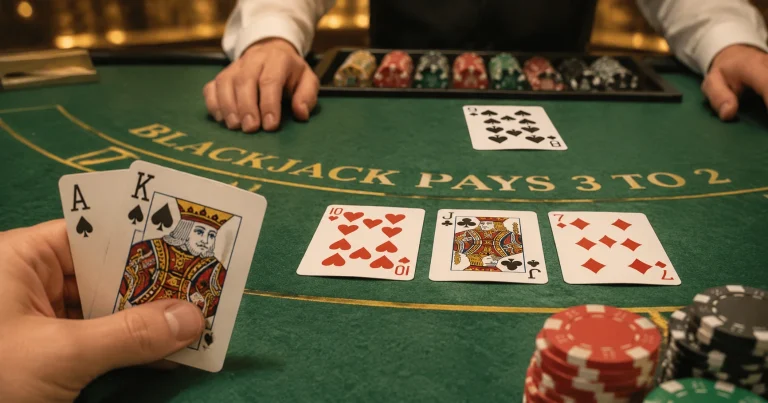
The images below are included throughout the content to support the topic, not to decorate the page. Each one reinforces a different point: opening, observation, comparison, and context. The set helps keep the focus on live casino as practical reading.

Bullbet live casino - image 1
Table in focus Useful for noticing the framing and the visual presence of the broadcast environment.
Bullbet live casino - image 2
Session reading It serves to compare what the screen shows with what you expect from the format.

What to check before moving on

Not every table calls for the same attention. In some, the reading is direct. In others, the environment brings more information than it seems at first glance. That is why bullbet emphasizes a simple editorial point: looking calmly is usually better than reacting to the first visual highlight.

If the screen shows clear rules, even better. If the broadcast calls for more reading, even better that the reader notices this early. And if the interface seems confusing, the wisest thing is to treat that confusion as a signal to pause. This kind of care is not excess; it is part of responsible reading.

It also helps to think about time. A long session does not go with rushed reading. A short visit does not go with too much complexity. When the pace of the table and the pace of the reader are out of sync, the experience loses clarity.

Frequently asked questions

What should I observe first?

Start with the table itself. See the type of broadcast, the framing, and the information that appears in the environment. Then read the supporting text and compare it with what you want to follow.

Is it worth looking at more than one option?

Yes. Comparing two or three tables helps you notice differences in reading, presentation, and pace. That usually makes the choice more objective.

Why does the text insist on context?

Because live casino is not just image. There are visible rules, a broadcast environment, and signals that change the reading. When context comes in early, the decision becomes clearer.

Where does responsible gaming fit in?

It comes in before impulse. If the topic calls for attention, pause, and criteria, the best path is to keep personal limits and read the conditions calmly.

One more image, now as comparison support

This last image closes the reading with a different focus. It does not repeat the beginning. It reinforces the idea that a live table can be read from different angles: appearance, information, pace, and clarity.

Bullbet live casino - image 3
Visual closing An invitation to review what the screen shows and decide with more reading than haste.

If the reading made sense, continue through the external path

Access takes you outside the portal. Before any step, read what is available at the destination and keep the same criterion used here: observe, compare, and decide calmly.

Bullbet presents the topic as editorial reading for adults. There is no promise of result, gain, or advantage. The focus remains on context, visible conditions, and responsible use.

English (Philippines)